After death a person carries with him the dharma (and the Karma), which can be divided into two broad parts called Saṅcita Karma and Prārabdha Karma. Saṅcita Karma is finished in various types of hells and suffering in the life after death whereas Prārabdha Karma has to be carried into another body and can be burnt only through experience. So, only the most elevated souls who have complete control over their Indriya (sense’s) are not affected by these experiences in this life. All others are.
Based on the Prārabdha Karma, Krishna decides the circumstances of birth, experiences and length of life that a person has to undergo to complete this Prārabdha. Sometimes one life is not enough and many births maybe necessary. The conception chart is used to determine the past karma. In fact the Dvādaśāṁśa (D-12 Chart) of the Niṣeka (Conception) tells us many details. This is not a practical proposition, but not an impossibility given the direction of development of the biological sciences.
The Janma Kuṇḍalī (Birth Chart) is the perfect map of the Prārabdha Karma and the Ṣaṣṭiāṁśa (D-60 Chart) is the most vital in the ṣoḍaśavarga scheme of Parāśara. The D-60 gets the highest weightage in the vimśopāka bala scheme and hence establishes its priority over others. This chart also tells us about the Prārabdha Karma in addition to the navāṁśa, rāśi and other charts in their relative importance (weights assigned by Parāśara in Vimśopāka scheme).
Given this paradigm of the theory of Karma and rebirth, we hardly have any space to manoeuvre and it seems that the journey through this life is an inevitable jail term that we must bear. This is true. Now the hard question is what is the role of Jyotish and in what way is the Jyotish going to help in altering the inalterable or changing that which cannot be changed as the term is fixed and so is the sentence inevitable. In reply some astrologers offer platitudes like making the suffering easier by knowing that this was an eventuality and that this is only a natural reaction to what we had done, but then this is a nice logical analysis and is not really supported by the traditional texts or literature. Harihara the author of Praśna Mārga [Praśna Mārga – ref. translation by Dr.B.V.Raman] answered this question in detail. After reading that, all doubts will disappear and you will realize the great job that Dr Raman has one.
Like every other birth, the Atma rides (Āruḍha) this Mana (Mind-Moon), which controls this Sareera (Body). The Atma remembers all it’s past incarnations but the Mana, being new and aware of this incarnation alone cannot understand the reason behind the various forms of suffering that it sees and experiences. It expresses anger when a feeling that injustice has been done (based on its awareness and concept of justice) this is Mars and later this passion results in sorrow as the Atma does not cooperate with the Mana being aware that the Prārabdha Karma is being burnt through this anubhava (experience). It is here that Jupiter intervenes. If Jupiter is strong in Simhalokamsa or is strengthened by adoration of one’s DIKSHA GURU (be careful here – not Siksha Guru’s like K N Rao or myself and Acyutānanda Dāsa has warned us to be very careful with the advent and advancement of Kali Yuga w.r.t guru’s), then one is directed in the path of self-correction through recitation of prayers for forgiveness and protection from evil experiences that are destined to come.
This is the point made by Harihara when he was explaining the value of Praśna. Praśna tells us whether the native has done better or worse Karma from his birth till the time of Praśna. By implication, Karma done in this life is immediately recorded by Chitra Gupta (sitting on the star Chitrā -linked to Chitra Pakṣa Ayanāṁśa maybe). [Some astrologers advise the worship of Chitragupta the assistants of Yama on Chaitra (derived from Chitrā) Pūrṇimā so that they may skip some records of your bad Karma!!!]. These immediate recording results in an alteration or influence to the birth/natal chart and have a profound influence on the immediate and long-term future.
If the Natal Chart planetary positions are better than the Praśna chart, then the person has fallen further in this life i.e. accumulated more bad karma.
If the Natal chart planetary indications are worse than the Praśna chart then infer that he has done better Karma in this life, and to that extent shall have a better future.
If the indications of the Natal and Praśna chart are the same, then he is merely sailing through this life experiencing the past Karma.
That the effect of this Karma can alter the indications of the Janma Kuṇḍalī including longevity.
Question of Free-Will
It is evident from the above clear statements that the Karma we do in this life is immediately recorded from the moment the Karma is performed and has an immediate impact on the future whether immediate or distant or subsequent births. It is here that another question crops up. This is the question of FREE WILL. Now, what is free will? It means the power to determine the action that one shall take as a consequence to or for the purpose of some event or goal. It is a goal directed action and not an involuntary action. This is where the question of Upachaya comes up and the houses 3,6,10 & 11 deal with the actions that one can or will take given the various inputs from the environment (33% is bounded rationality like the Simonian model of decision making). Thus, in the first place, this action itself is bounded by various inputs and this is called bounded rationality depending on four factors that are like four boundaries of a plot – Information (Knowledge) called BUDDHI [Dharma-Ayana], Resources that are focused on vrddhi or increase of wealth [Artha-Ayana], Abilities that fulfill desires based on (the purity of) the purpose śuddhi [Kāma -Ayana] and finally Time that is the
final giver of emancipation and end of all Karma whether Saṅcita or Prārabdha called SIDDHI [Moksha-Ayana]. Here comes the greatest teaching of the Gita “Karma is your birth right but you have no right (adhikāra) on the fruits”. This adhikāra or right to freedom of Action is the only
birth right given by God.
Hence Harihara (Praśna Mārga) prays –
धियायामि साध्वहं बुद्धे शुद्ध्यै वृद्ध्यै च सिद्धये॥
madhyāṭavyādhipaṁ dugdhasindhukanyādhvaṁ dhiyā|
dhiyāyāmi sādhvahaṁ buddhe śuddhyai vṛddhyai ca siddhaye||
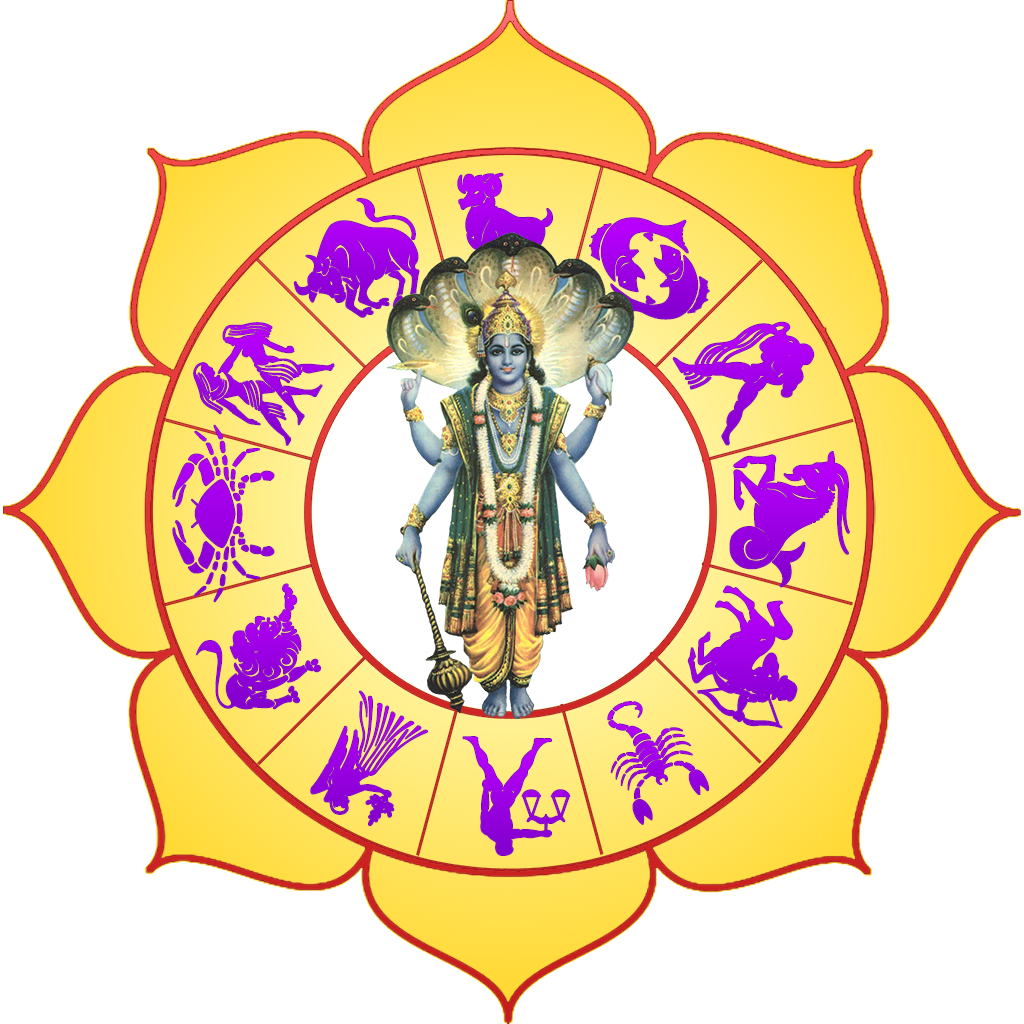
Translation: Lord of my region [or village, Vishnu]; you are the lord of the lady who emerged from the milky ocean [Lakṣmī comes from churning of seas and is daughter of Varuṇa] and impeller of our
intelligence. Pray that you bless us with intelligence and discernment, purity and innocence, growth and prosperity, and accomplishment – both material and spiritual.
Definition of स्व sva – Self

Once again we come to the definition of the self (sva) and find that the ātman is merely an observer and hence these houses or upachaya for reckoning the right to action or exercise of free-will is not at the level of the ātman and is merely a process of action and reaction of the manas and śarīra in this manifested Universe. Thus, this is only to be seen from the Lagna and especially, the Moon, especially the tenth house from the Moon. Kalyāṇa Verma (Sārāvalī) has given a very detailed explanation on the placement of individual planets or groups of them in the tenth from the Moon. Why is so much importance being given to the Moon for this free-will? It is the mind where the seed of
all action is generated and hence Moon the manaḥ-kāraka is the playground for this māyā to act on. This is what the Bhagavat Gita teaches “Give the reigns of the horses (of your mind) to Krishna
and see how He shall steer you through the battlefield of life (Life in the Kali Yuga is viewed as a battle field)”. The Rig Veda is very clear about the generation of this seed of all action in the mind in Vishwamitra’s prayer to Bṛhaspati:
śucimarkairbṛhaspatimadhvareṣu namasyata| anāmyoja ācake. Rig Veda 3.62.5
May Brihaspati (the Deva Guru -note my earlier explanation to the importance of the Dīkṣa Guru and Jupiter) the granter of success (to all our actions – the term adhvareshu refers to the inviolable principle or the TRUTH that must prevail like OM TAT SAT) give us good thoughts (that lead to such actions that are inviolable – the inviolable principle also refers to holding back such thoughts that lead to such Karma that would violate the principles of Dharma).
It is evident that this concept of free will is limited to the Mana and that too the Upachaya’s i.e. those thoughts that are action related. Having accepted the limited free will concept, we now come to the method of Vedic remedial measures called Mantra i.e. Mana + Trai or protection of the Mana from (a) generating such seeds of evil thought that result in evil Karma, as well as (b) protecting against the provocation from the experiences of Past karma that can bring anger, sorrow and passion (Rajas) and ignorance (Tamas) to dominate the Mana and raise the level of the Mana to that of the Atma (self-realisation).
Vivaha (i.e. Marriage and its specific form) maybe destined in the form of an ANUBHAVA and to say that two people were married for so many births or shall continue together for so many births is fine if you are a priest solemnizing the marriage but not as a
Jyotish. How the Mana will react to the various experiences that it is subject to and is so confused about (not having the knowledge of Prarabdha) is what a Jyotish should be looking for. This is where he can guide if he is aware of the pitfalls and troubles that can result from a mismatch like Kuja Dosha.
Forum Discussion
In the discussion on Karma and Freewill, we have argued from a ‘centrist’ view point stating that all karma is based on our own desires that lead to creation of karma. For this we need some amount of freewill. If we did not have freewill then this karma is the creation of an external force for which we cannot be held as the sinners.
My questions are –
- Man is different from other animals in that he has (A) the power of understanding and (B) the power of will. Which house governs the Will and which giverns Understanding?
- What are ‘Upachaya’ and ‘Apachaya’ houses? Why are they so named? Which planets are the natural indicators of Upachaya?
- Is strong will the same as free-will? How can we know strong wil, weak will and free will in a chart? what combinations of lords and houses support this?