परिवृत्तित्रयं तेषां मेषादेः क्रमशो भवेत्॥ ७॥
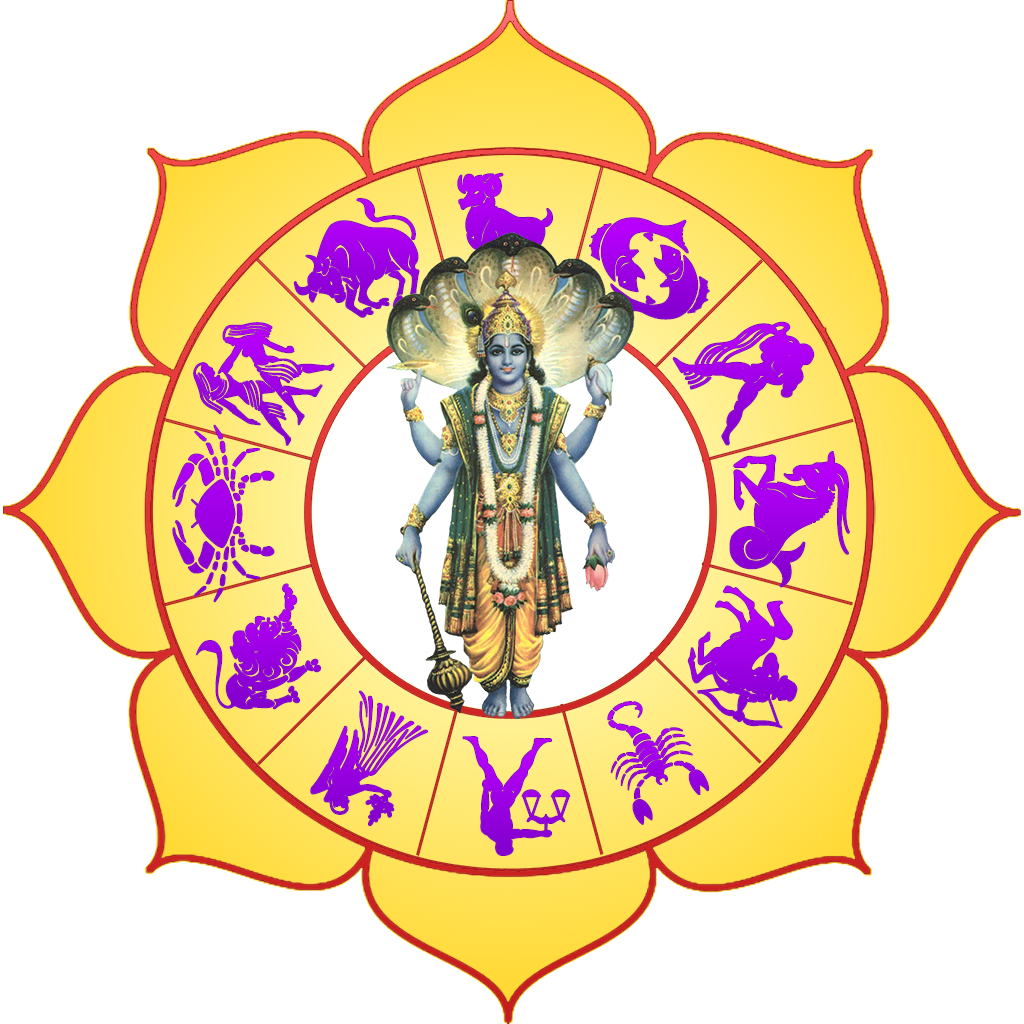
rāśitribhāgādreṣkāṇāste ca ṣaṭtriṁśadīritāḥ |
parivṛttitrayaṁ teṣāṁ meṣādeḥ kramaśo bhavet || 7||
Translation: Dreṣkāṇa (drekkāṇa) is one-third of a rāśi and there are thirty-six dreṣkāṇa in the zodiac. They are reckoned from Aries in order based on “parivṛtti traya”.
Commentary
Kārya bhāva: Third house
Kāryeśa: Lord of 3rd house
Mars rules the number ‘9’ which is the number of Man, the dominant species in this planet
We have seen previously that parivṛtti means going around the zodiac, either in jumps or regularly and this can be both zodiacal or anti-zodiacal. And most important, there are five different ways to do this based on the pañca tattva. Previously we examined the horā chart where besides the rudimentary sun-moon simple two-sign horā, parivṛtti yielded five different horā charts of which we learnt three horā charts called
- Parivṛtti horā D2-P,
- Somanāth horā D2-S
- Āyana or Samasaptaka horā D2-A.
- Gola horā
- Guṇa horā
The drekkāṇa is one-third a rāśi measuring 10° arc and having exactly three nakṣatra pada (of 3°20’) in it. There are 36 drekkāṇa in the zodiac as 3×12=36. Just as the horā D2 chart maps to the second house of the rāśi chart in the physical plane of consciousness, the drekkāṇa being a D3 chart, maps to the third house. We learn four drekkāṇa types among the five types defined by Parāśara as well as the ancient Greek drekkāṇa taught by Varāhamihira. There are two methods of reckoning the drekkāṇa i.e. by either regular count (zodiacal/reverse) or triplicity. In the method based on regularity, the Parivṛtti Drekkāṇa (based on vriddha kārikā) is adopted following regular zodiacal order. While the Somanāth Drekkāṇa uses zodiacal count only for odd signs and reverse for even signs. In the method based on triplicity, Parāśara Drekkāṇa takes the trines from the sign itself. The Jagannāth Drekkāṇa takes the trines from the movable sign.
Parivṛtti Drekkāṇa: [D3-P Chart] Vāyu gives strength and the word parākrama includes the ability to fight against challenges, courage to face challenges, survival instinct, krama includes short journeys like daily commutation.
Somanāth Drekkāṇa: [D3-S Chart] The third house is also called Mithuna bhāva where the sexuality of the native is seen. We learn the Somanāth drekkāṇa which examines the periods and planets that give sexuality or abstinence. You will be surprised at the results and this powerful knowledge holds the key to the kuṇḍalini.
Parāśara Drekkāṇa: [D3 Chart] The first aspect of the 3rd house is siblings ‘who are in the same generation’ as the native implying that the generation boundary is defined as a period of 36 years in jyotiṣa. All about siblings is seen from the Parāśara drekkāṇa. But to be able to see everything we need to apply some advanced techniques like ārūḍha etc. We hone the predictive skills as we proceed through the course and shall keep applying techniques as we learn them.
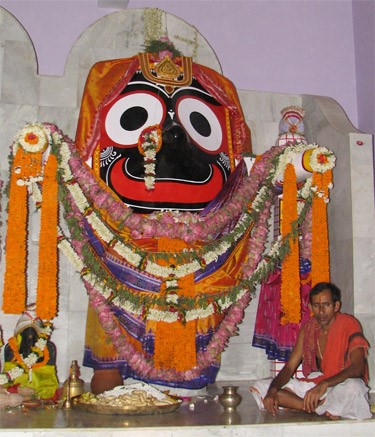
Jagannāth Drekkāṇa: [D3-J Chart] The span of one drekkāṇa is 10° and this also maps to the 10th house of karma. The Jagannāth drekkāṇa is for karma phala and is used in praśna charts as well. It includes skills and things we learn, all karma we do – symbolised by the hands. This is the most important drekkāṇa and is also described by Parāśara while defining the deities of the drekkāṇa.
Nāḍi Drekkāṇa: [D3-N] This is similar to the Jagannāth drekkāṇa and follows direct reckoning for odd signs and reverse reckoning for even signs. This is called nāḍi drekkāṇa and is described in the Chandrakalā nāḍi.
Mihira Drekkāṇa: [D3-M Chart] We examine the construction of this drekkāṇa.
Etymology
The words used to describe this divisional chart are द्रेष्काण (dreṣkāṇa) which is derived from the word dṛś meaning “to see, especially with the mind, learn and understand by noticing, caring for or looking into the subject. It includes the power to see by divine intuition, to think or find out, to compose or contrive (hymns, rites etc.). It includes that which is seen or has become visible.”
Another similar words used are दृकाण (dṛkāṇa) or दृक्काण (dṛkkāṇa) where दृक् (dṛk) is used in compound for dṛś. And in regular use they become द्रेक्काण (drekkāṇa). As G.K.Goel points out, the word ‘tri-varga’ or ‘triaṁśa’ has never been used for this divisional chart clearly keeping the focus on its power to manifest everything.
Drekkāṇa Power
It is evident then that drekkāṇa is the real power of MAN – the Power to Understand and Power to Will.